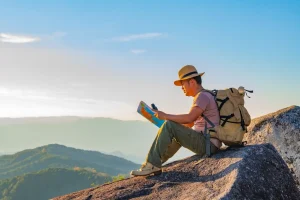
Travel has never been more accessible. Flights are easier to book, information is available instantly, and travelers can explore nearly any corner of the world with a few taps on a smartphone. Yet greater accessibility has also created new challenges. Crowded attractions, digital threats, sophisticated scams, and unexpected disruptions require travelers to think differently about personal security. Many people focus heavily on where they want to go but spend little time considering how they will stay safe once they arrive. The most successful trips are not simply well planned. They are carefully protected against foreseeable risks. Understanding top travel destinations safety practices helps travelers avoid common mistakes, respond effectively to unexpected situations, and enjoy their journeys with greater confidence. Whether you are planning a weekend getaway or a long international adventure, safety should be integrated into every stage of your travel planning.
Why Safety Should Be a Priority When Traveling
Travel often places people in unfamiliar environments. Different languages, transportation systems, cultural norms, and legal requirements can create confusion even for experienced travelers. Popular destinations attract millions of visitors every year. While this popularity offers convenience and entertainment, it also attracts individuals who target tourists through scams, theft, and fraud. Travelers are often distracted, unfamiliar with local conditions, and carrying valuable possessions, making them attractive targets. Safety planning reduces vulnerability. It allows travelers to make informed decisions instead of reacting to problems after they occur. More importantly, good preparation creates peace of mind. When travelers feel secure, they can focus on experiences rather than potential threats. Effective safety strategies do not eliminate risk completely. Instead, they reduce exposure to common dangers while improving the ability to respond when challenges arise.
Researching a Destination Before Departure
Understanding Local Laws, Customs, and Expectations
Every destination operates under its own legal and cultural framework. Behaviors that seem normal at home may be inappropriate or even illegal elsewhere. Researching local customs helps travelers avoid misunderstandings and maintain positive interactions with residents. Dress codes, public behavior expectations, photography restrictions, and religious considerations can vary significantly between destinations. Legal awareness is equally important. Some countries impose strict penalties for actions that may appear minor to foreign visitors. Understanding local regulations before arrival reduces the likelihood of accidental violations.
Reviewing Travel Advisories and Current Conditions
Conditions can change rapidly. Political demonstrations, transportation strikes, severe weather events, and public health concerns may affect travel plans with little warning. Travelers should review official government advisories and monitor reliable news sources before departure and throughout their trip. Current information allows travelers to adjust itineraries and avoid unnecessary exposure to risk. Pay special attention to transportation disruptions, regional instability, and weather-related hazards that could impact mobility or safety.
Identifying Common Tourist Scams and Safety Concerns
Scams often follow predictable patterns. Fake taxi services, counterfeit tickets, inflated prices, distraction thefts, and fraudulent assistance schemes appear in many tourist destinations. Learning about common scams before arrival provides a significant advantage. Travelers who recognize warning signs are less likely to become victims. Research should include destination-specific concerns rather than relying solely on general travel advice. Every city has unique patterns of tourist-related crime that visitors should understand.
Creating a Personal Travel Safety Plan
Many travelers create detailed itineraries but neglect contingency planning. A personal safety plan identifies potential risks and establishes responses before problems occur. This proactive approach improves decision-making under pressure. Start by evaluating destination-specific risks. Consider transportation reliability, language barriers, health concerns, crime rates, and emergency services availability. Share travel details with trusted family members or friends. Provide accommodation information, transportation plans, and important contact details. Regular check-ins can provide reassurance and support if communication becomes disrupted. Develop backup options for critical situations. Know alternative transportation methods, nearby medical facilities, and secondary accommodation choices. Redundancy creates resilience when original plans fail. A strong safety plan balances preparation with flexibility. The goal is not to anticipate every possible scenario but to improve readiness for common challenges.
Protecting Important Documents and Personal Information
Travel documents are among the most valuable items a traveler carries. Losing a passport can quickly transform an enjoyable trip into a stressful administrative process. Protecting these documents should be a top priority. Store passports, visas, identification cards, and travel insurance information securely. Use hotel safes when available and avoid carrying all important documents together whenever possible. Create both physical and digital copies of essential documents. Store digital versions in secure cloud services with strong authentication measures. Printed copies can be useful when internet access becomes unavailable. Personal information deserves equal protection. Travelers frequently share sensitive details during hotel check-ins, transportation bookings, and online transactions. Limiting unnecessary information disclosure reduces exposure to identity theft. Be cautious when discarding receipts, boarding passes, or documents containing personal data. Small details can sometimes be exploited by criminals seeking information.
Transportation Safety in Popular Tourist Destinations
Transportation often represents one of the highest-risk aspects of travel. Airports, train stations, bus terminals, and ride-sharing pickup zones create opportunities for confusion and distraction. Travelers are frequently tired, carrying luggage, and navigating unfamiliar environments. Research transportation options before arrival. Understanding routes, schedules, fares, and reputable providers reduces uncertainty. Use official transportation services whenever possible. Licensed taxis, recognized ride-sharing platforms, and established public transit systems generally provide greater accountability and security. Maintain awareness during transfers. Many incidents occur when travelers are focused on tickets, maps, or schedules rather than their surroundings. Protect luggage at all times. Never assume that crowded environments guarantee safety. Opportunistic theft often occurs in busy locations precisely because distractions are common. Nighttime transportation requires additional caution. Whenever possible, choose well-lit routes and avoid isolated areas.
Accommodation Safety Essentials
Accommodation selection influences overall travel security more than many travelers realize. Price and location often dominate booking decisions, but safety considerations deserve equal attention. Research neighborhoods thoroughly before making reservations. An affordable hotel may become less appealing if it is located in an area with significant safety concerns. Upon arrival, familiarize yourself with emergency exits, security procedures, and evacuation routes. These details are easy to overlook but become critical during emergencies. Use available security features consistently. Lock doors, secure windows, and verify visitor identities before granting access to rooms or rental properties. Valuable items should remain out of sight whenever possible. Visible electronics, jewelry, and expensive equipment can attract unwanted attention. Vacation rentals require particular vigilance. Verify listings carefully and communicate through official booking platforms to reduce fraud risks.
Staying Safe in Crowded Tourist Areas
Popular attractions create unique security challenges. Crowded environments increase the likelihood of theft, separation from companions, and situational awareness failures. Visitors often become absorbed in sightseeing and photography, reducing attention to their surroundings. Pickpockets frequently target distracted tourists. Wallets, smartphones, and passports should remain secured in difficult-to-access locations. Avoid displaying large amounts of cash or expensive possessions. Visibility can increase targeting by opportunistic criminals. Maintain awareness of exits, meeting points, and emergency services locations. This awareness becomes particularly valuable during unexpected incidents. Travelers should also be cautious when approached by overly friendly strangers offering unsolicited assistance, tours, or deals. While many interactions are genuine, others may serve as distractions or scams. Situational awareness remains one of the most effective safety tools available to travelers.
Digital Security While Traveling
Modern travel depends heavily on technology. Smartphones function as navigation devices, payment tools, communication hubs, and document storage systems. This convenience introduces new security challenges. Public Wi-Fi networks often present significant risks. Cybercriminals may exploit unsecured connections to intercept sensitive information. Avoid conducting financial transactions on public networks unless additional security measures are in place. Strong passwords and multifactor authentication add valuable protection. These measures can prevent unauthorized access even if login credentials become compromised. Keep devices updated with current security patches before departure. Software updates often address vulnerabilities actively targeted by attackers. Location-sharing features deserve careful management. Publicly broadcasting real-time travel information can create security concerns both abroad and at home. Travelers should also prepare for device loss or theft. Remote tracking and data-wiping capabilities can reduce the consequences of compromised devices.
Health and Wellness Precautions for Travelers
Food, Water, and Hygiene Safety
Health problems can disrupt travel plans more effectively than almost any other issue. Food and water safety standards vary significantly between destinations. Research local conditions before arrival and follow recommendations from trusted health authorities. Choose reputable dining establishments and pay attention to cleanliness practices. Freshly prepared food often presents lower risks than items left exposed for extended periods. Hand hygiene remains one of the simplest and most effective preventive measures available to travelers.
Preparing for Climate and Environmental Challenges
Environmental conditions create risks that many travelers underestimate. Extreme heat, humidity, altitude, cold temperatures, and air pollution can affect physical performance and decision-making. Travelers should prepare appropriately for destination-specific conditions. Hydration, proper clothing, sun protection, and adequate rest contribute significantly to overall safety. Understanding seasonal weather patterns also helps travelers avoid preventable hazards.
Carrying Medical Supplies and Emergency Essentials
A basic medical kit can resolve minor issues before they become significant problems. Essential supplies may include prescription medications, pain relievers, bandages, antiseptics, and items tailored to specific destination risks. Travelers should carry medications in original packaging and maintain copies of prescriptions when crossing international borders. Emergency contact information and health insurance details should remain easily accessible throughout the trip.
Managing Money Safely During Your Trip
Financial security requires a layered approach. Relying on a single payment method creates unnecessary vulnerability. Multiple credit cards, debit cards, and limited cash reserves provide flexibility if one option becomes unavailable. Store payment methods separately. A stolen wallet should not eliminate all access to funds. Use ATMs located in secure, well-monitored locations whenever possible. Inspect machines for signs of tampering before use. Monitor account activity regularly during travel. Early detection significantly reduces the impact of fraudulent transactions. Currency exchange decisions also affect safety. Travelers should use reputable exchange providers and understand local pricing expectations to avoid exploitation. Financial preparedness reduces stress and improves resilience during unexpected situations.
Emergency Preparedness and Crisis Response
Even well-planned trips can encounter unexpected challenges. Emergencies may involve lost documents, severe weather, transportation disruptions, civil unrest, or medical incidents. Preparation improves outcomes when these situations occur. Learn local emergency numbers immediately after arrival. Do not assume emergency services operate through the same systems used at home. Identify nearby hospitals, police stations, and diplomatic offices if traveling internationally. Access to accurate information becomes invaluable during stressful situations. Maintain an emergency reserve of funds separate from daily spending resources. Financial flexibility can accelerate problem resolution. Communication planning also matters. Ensure multiple methods exist for contacting family members, accommodations, and local authorities. Prepared travelers recover more quickly from disruptions because they already understand available resources and response options.
Responsible Travel Habits That Improve Safety
Personal behavior significantly influences travel safety outcomes. Respecting local customs reduces conflict and improves interactions with residents. Cultural awareness often enhances both safety and travel experiences. Alcohol consumption deserves careful consideration. Excessive drinking can impair judgment, increase vulnerability, and create unnecessary risks in unfamiliar environments. Travelers should remain mindful of peer pressure, social influences, and excitement-driven decision-making. Many incidents occur when individuals temporarily abandon their usual safety standards. Responsible adventure is entirely possible. The goal is not to eliminate spontaneity but to ensure that enthusiasm remains balanced by awareness. Good habits consistently outperform complicated safety systems. Small daily decisions often determine overall travel outcomes.
Applying Top Travel Destinations Safety Practices for Every Journey
The most effective travelers treat safety as an ongoing process rather than a checklist completed before departure. Every destination presents unique challenges. Urban environments, beach resorts, mountain regions, and remote communities each require different approaches. Adaptability becomes one of the most valuable travel skills. Successful travelers continuously observe, assess, and adjust. They remain informed without becoming fearful. They stay alert without sacrificing enjoyment. The principles behind top travel destinations safety are remarkably consistent. Research thoroughly. Protect important assets. Maintain situational awareness. Prepare for disruptions. Respect local environments and communities. These habits create a foundation that works across countries, cultures, and travel styles.
Conclusion
Travel offers extraordinary opportunities for learning, exploration, and personal growth. However, memorable experiences depend on more than exciting destinations and carefully planned itineraries. Strong top travel destinations safety practices help travelers protect their health, finances, personal information, and overall well-being. Preparation reduces uncertainty, improves confidence, and creates greater freedom to enjoy the journey. The safest travelers are rarely the most cautious. They are the most prepared. By combining research, awareness, adaptability, and responsible decision-making, travelers can navigate even the world’s busiest destinations with confidence and peace of mind.