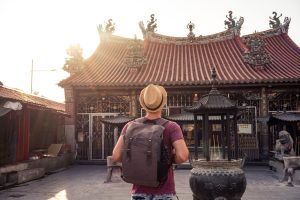
Luxury travel experiences have evolved significantly over the years. Initially, luxury travel was about opulence and extravagant accommodations. Today, it encompasses much more, including personalized service, unique cultural encounters, and a strong focus on sustainability. Understanding what defines luxury travel experiences is essential for travelers seeking meaningful journeys that go beyond mere opulence. In this article, we will explore the defining characteristics of luxury travel, emerging trends, and the target audience that seeks these enriching experiences.
What Defines Luxury Travel Experiences?
Key Characteristics of Luxury Travel
Luxury travel experiences are characterized by several key features that set them apart from standard travel options. First and foremost is personalized service. Travelers expect an exceptional level of attention, where every detail is tailored to their preferences. From customized itineraries to personal concierges, the emphasis is on creating a unique experience that meets individual needs.
Another defining aspect is exclusive access. Luxury travelers often seek unique destinations and experiences that are not available to the average tourist. This could include private tours of historical sites, exclusive dining experiences with renowned chefs, or staying in accommodations that offer unparalleled privacy and amenities.
High-quality accommodations play a vital role in luxury travel experiences. Luxury hotels and resorts provide not only comfort but also unique architectural designs and exceptional service. The environment is curated to ensure that every moment spent there feels special and memorable.
The Role of Authenticity and Cultural Immersion
In recent years, there has been a growing shift towards authenticity in luxury travel experiences. Travelers are increasingly seeking genuine interactions with local cultures and communities. Instead of just visiting popular tourist spots, they want to engage with local traditions, cuisine, and lifestyles.
Cultural immersion can take many forms. It might involve participating in traditional cooking classes, attending local festivals, or staying in boutique accommodations that reflect the local culture. These experiences create a deeper connection between the traveler and the destination, making the journey memorable and enriching.
Authenticity enhances the luxury travel experience by allowing travelers to feel like they are part of the places they visit, rather than just observers. This emphasis on genuine experiences adds value to luxury travel and distinguishes it from more conventional forms of tourism.
The Impact of Sustainability on Luxury Travel
Sustainability has become a significant focus in luxury travel experiences. More travelers are looking for options that minimize their impact on the environment while still providing high-end services. Luxury brands are responding by integrating eco-friendly practices into their operations.
This shift includes using sustainable materials in accommodations, offering locally sourced cuisine, and supporting community initiatives. Luxury travelers are increasingly interested in knowing how their travel choices can positively affect the environment and local communities.
Some luxury travel experiences even focus on conservation efforts, allowing travelers to participate in wildlife preservation or community development projects. This blend of luxury and sustainability aligns with the values of modern travelers, making it a crucial aspect of the luxury travel landscape.
Emerging Trends in Luxury Travel Experiences
Experiential Luxury vs. Material Luxury
There is a clear trend moving away from traditional material luxury towards experiential luxury. Travelers are beginning to prioritize experiences over possessions. This shift means that luxury is no longer solely defined by high-end products but rather by memorable moments and unique adventures.
Travelers now seek experiences that offer personal growth, learning, or a deeper understanding of the world. For instance, a luxury safari may not just be about staying in a lavish lodge but about connecting with nature and wildlife in a meaningful way. This trend reflects a broader societal shift towards valuing experiences that enrich our lives.
Technological Innovations in Luxury Travel
Technology plays a crucial role in shaping luxury travel experiences. Today’s travelers expect seamless integration of technology in their journeys. From mobile apps that help manage itineraries to virtual reality experiences that allow for pre-travel exploration, technology enhances the overall travel experience.
Innovations like artificial intelligence are also making their way into luxury travel. AI can personalize recommendations based on a traveler’s preferences, ensuring that experiences are tailored to individual tastes. These technological advancements not only improve convenience but also enhance the level of personalization that luxury travelers expect.
Wellness and Mindfulness in Luxury Travel
The rising focus on wellness and mindfulness is another significant trend in luxury travel experiences. Many travelers are now looking for vacations that promote well-being and relaxation. This includes wellness retreats, spa experiences, and activities that encourage mindfulness, such as yoga or meditation.
Luxury travel experiences that incorporate wellness often provide holistic offerings, including healthy gourmet cuisine, fitness activities, and spa treatments that focus on rejuvenation. These experiences allow travelers to disconnect from their daily stresses and reconnect with themselves, enhancing both physical and mental well-being.
Strategic Positioning of Luxury Travel Experiences
Target Audience Segmentation
Understanding the target audience for luxury travel experiences is crucial for businesses in this sector. Luxury travelers come from various backgrounds, but they often share certain characteristics. They tend to be affluent individuals who prioritize quality and are willing to pay for unique experiences.
Demographic factors such as age, income level, and travel habits play a significant role in defining luxury travelers. For example, millennials may seek adventure and cultural immersion, while older generations might prioritize comfort and exclusivity. By segmenting the audience, luxury travel providers can tailor their offerings to meet the specific needs and preferences of different groups.
Branding and Marketing Strategies
Effective branding is essential for luxury travel experiences. Luxury brands must communicate their unique value propositions clearly. Storytelling is a powerful tool in luxury travel marketing, allowing brands to create emotional connections with potential customers. By sharing compelling narratives about the experiences they offer, brands can attract travelers looking for something special.
Successful luxury travel brands often highlight their commitment to quality, service, and authenticity. They communicate how their offerings align with the values and desires of modern travelers. This approach helps build trust and loyalty among clientele who seek more than just a transaction; they want an experience that resonates with their values.
The Role of Partnerships in Enhancing Luxury Travel
Partnerships can enhance luxury travel experiences significantly. Collaborations between luxury brands and local businesses can create unique offerings that enrich the traveler’s experience. For instance, a luxury hotel might partner with local artisans to provide exclusive workshops or cultural tours.
Such partnerships not only add value to the experience but also support local economies. They help travelers connect more deeply with the destination and provide opportunities for genuine interactions. This approach benefits both the luxury brand and the local community, creating a win-win scenario.
Expert-Level Interpretation of Luxury Travel Experiences
Analyzing Customer Expectations
Luxury travelers have high expectations when it comes to their experiences. They seek exceptional service, attention to detail, and memorable moments. Understanding these expectations is crucial for luxury travel providers to deliver outstanding experiences.
Feedback is essential for continuous improvement. Brands that actively solicit and respond to customer feedback are better positioned to adapt and meet the evolving demands of luxury travelers. This commitment to service excellence helps maintain a competitive edge in the luxury travel market.
The Future of Luxury Travel Experiences
The future of luxury travel experiences looks promising, yet it is also shaped by various global factors. Economic fluctuations, environmental concerns, and changing consumer preferences will continue to influence the luxury travel landscape.
As travelers become more conscious of their choices, luxury brands will need to adapt to these changes. This could involve integrating more sustainable practices, leveraging technology, and focusing on personalization. The brands that successfully navigate these shifts will be the ones that thrive in the future luxury travel market.
Conclusion
Luxury travel experiences are defined by a combination of personalized service, authenticity, and exclusivity. As travelers seek meaningful and enriching experiences, understanding the evolving landscape of luxury travel is essential. From the impact of sustainability to the integration of technology, luxury travel continues to adapt to the demands of modern travelers.
By focusing on the unique characteristics that define luxury travel and embracing emerging trends, both travelers and providers can create experiences that resonate deeply. Ultimately, luxury travel is about connecting with people, cultures, and oneself, and this is what makes it truly special.
FAQs
1. What are the key features of luxury travel experiences?
Luxury travel experiences are characterized by personalized service, exclusivity, high-quality accommodations, and authentic cultural immersion, creating memorable journeys.
2. Who typically seeks luxury travel experiences?
Affluent individuals and families seeking unique, memorable, and tailored journeys often pursue luxury travel experiences that reflect their interests and values.
3. How does sustainability influence luxury travel?
Sustainability plays a crucial role in luxury travel, with travelers increasingly seeking eco-friendly options that minimize environmental impact while providing high-quality experiences.
4. What are some emerging trends in luxury travel?
Emerging trends include a focus on experiential luxury, wellness-oriented travel, and the integration of technology to enhance personalization and convenience in travel.
5. How can travelers find authentic luxury experiences?
Travelers can seek authentic luxury experiences by researching local cultures, opting for boutique accommodations, and choosing providers that emphasize genuine interactions and sustainability.